Considérations clés concernant les purificateurs d'eau sur le marché du Moyen-Orient
5 mars 2026With the growing demand for safe drinking water in offices, schools, factories, and public spaces, the commercial water dispenser market has expanded rapidly. For distributors, selecting the right commercial water dispenser is critical to ensure product reliability, customer satisfaction, and long-term after-sales service efficiency.
When evaluating commercial water dispensers, water quality, user safety, equipment protection, and energy efficiency are the key features distributors must prioritize.
Water Quality: UF/RO Filtration and Water Tank Sterilization
The primary function of any commercial water dispenser is to provide eau potable sûre et propre.
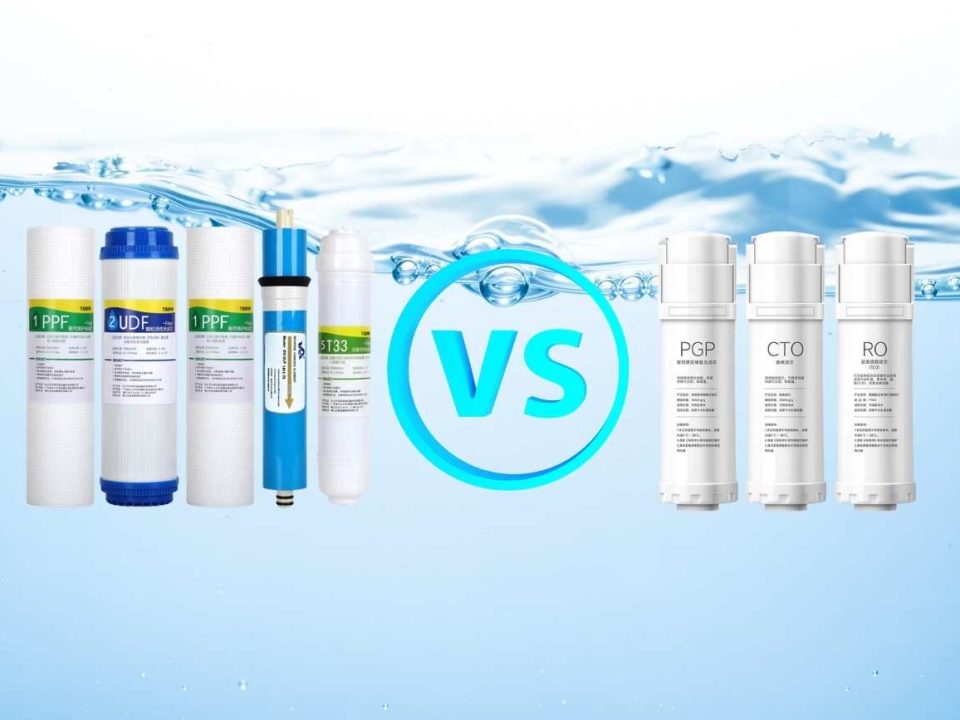
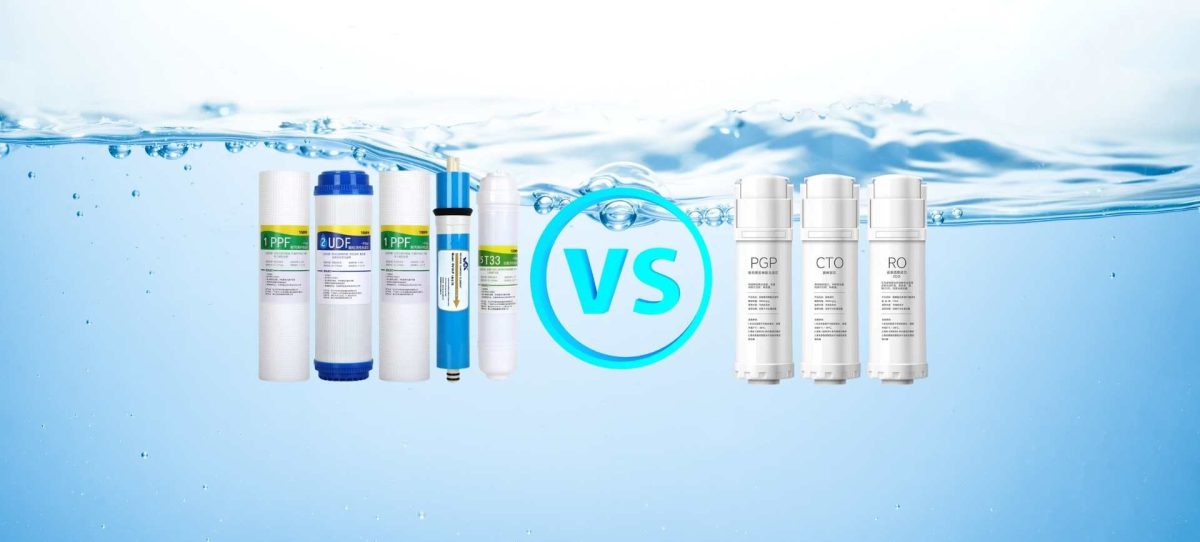
- Filtration system: UF (Ultrafiltration) or RO (Reverse Osmosis) systems are commonly used in commercial dispensers. RO systems effectively remove dissolved solids (TDS), heavy metals, bacteria, and impurities, while UF filters are suitable for areas with lower TDS, filtering sediments, suspended particles, and some microorganisms.
- Water tank sterilization: Even after filtration, water stored in tanks may develop bacteria over time. Static sterilization modules using UV or silver-ion technology keep the stored water safe for long-term use.
- Application example: In schools or factories, dispensers without sterilization modules may develop odor after two weeks, while dispensers with sterilization modules maintain clean water consistently.
Distributors should prioritize dispensers with UF/RO filtration and water tank sterilization for long-term reliability.
User Safety: Child Lock for Hot Water
Commercial water dispensers are often used in public or office areas, so user safety is a top concern.
- Hot water safety: Child lock on hot water outlets prevents accidental scalding.
- Ease of use: Well-designed buttons and outlets reduce operational errors.
- Industry standard: Some international markets require dispensers to pass child safety and anti-scald tests.
Machines with safety features help distributors gain client trust and minimize potential liability.
Leak Protection
Leakage is a common risk in commercial water dispensers and can cause property damage.
- Automatic water cut-off: The system should immediately stop water supply if a leak occurs.
- Leak detection: High-end models may include leak alarms or automatic shutdown features.
- Scenario: In an office building, a leak on the ground floor without immediate water cut-off may damage electrical equipment or create slip hazards.
Distributors should choose dispensers with reliable leak protection to reduce maintenance costs.
Dry Burn Protection
Dry burning occurs when the heating system continues to operate without water, which may damage the equipment or pose safety hazards.
- Temperature control switch: Automatically shuts off the heater if temperature exceeds safety limits.
- Automatic fault protection: Some models include alarms to alert users of abnormal heating.
- Example: In a factory break room, a dispenser without dry burn protection can burn out the heating element if malfunction occurs, causing high repair costs.
Dry burn protection is crucial for ensuring equipment longevity and safe operation.
Energy Efficiency
Energy efficiency is increasingly important in modern commercial spaces.
- Auto-sleep mode: Stops heating or cooling when the dispenser is not in use for extended periods.
- Timed power on/off: Machines can be pre-programmed to turn on and off according to usage schedules (e.g., 8:00 AM to 6:00 PM), reducing unnecessary energy consumption.
- Cost savings: Energy-efficient dispensers can reduce electricity usage by 20–50% annually, benefiting clients financially and promoting eco-friendly operations.
Energy-efficient design is both a selling point and a contribution to green office initiatives.
Conclusion
Distributors should focus on the following core features when selecting commercial water dispensers:
Water quality (UF/RO filtration + water tank sterilization), user safety (child lock), leak protection, dry burn protection, and energy efficiency.
Choosing dispensers with these essential features ensures:
- Reliable, safe drinking water for end-users
- Reduced maintenance and after-sales costs
- Higher client satisfaction and trust
- Stronger competitiveness in the commercial water dispenser market
By selecting machines with these capabilities, distributors can provide professional, safe, and energy-efficient solutions to their customers.