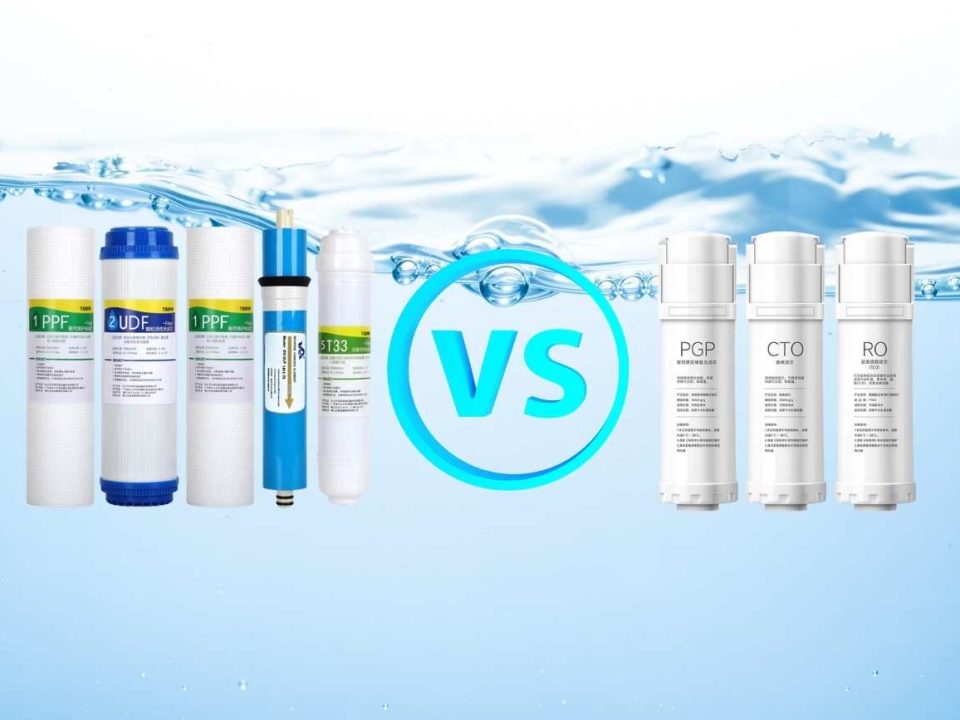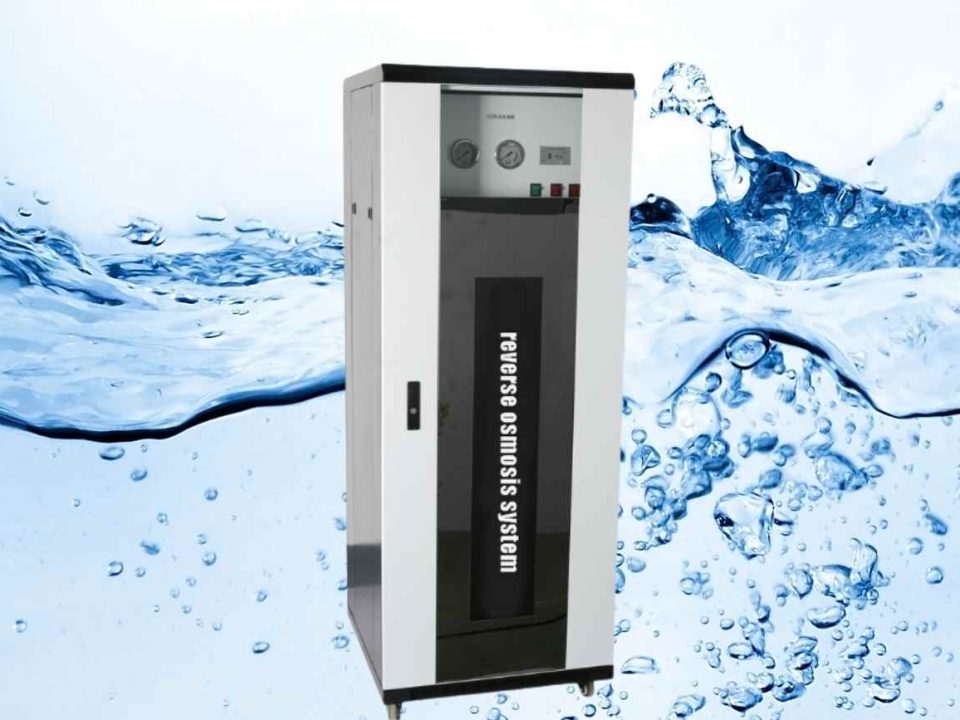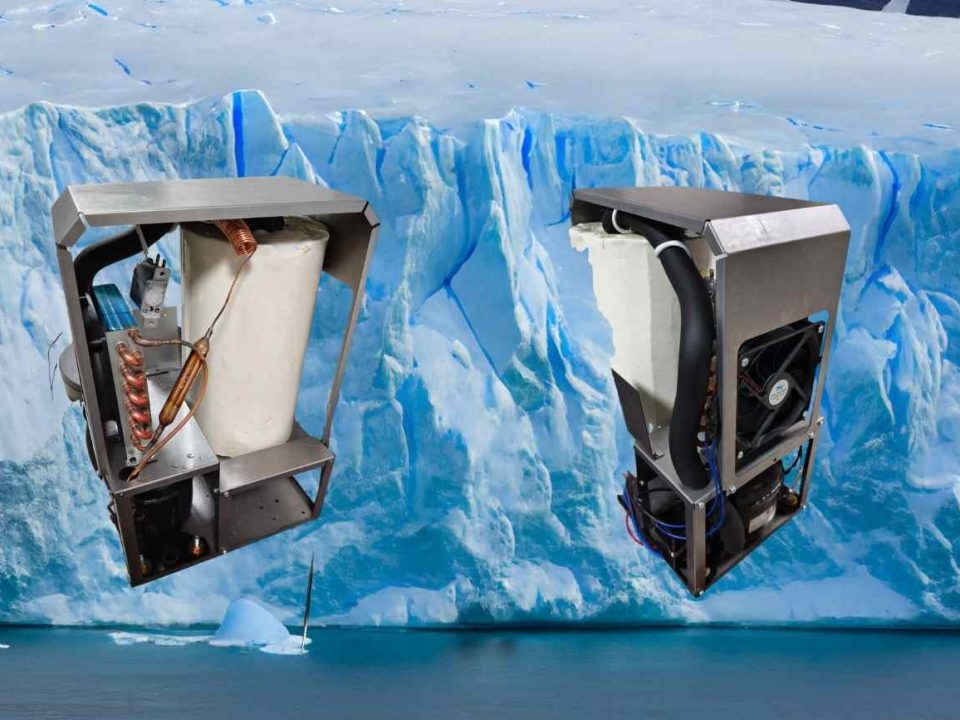

Dedicated Filter Cartridges vs Universal Filter Cartridges: Which Water Purifier Is Better for Distributors?
19 February, 2026Commercial water dispensers have become the preferred drinking water solution for offices, factories, schools, hospitals, and public institutions. Compared with traditional bottled water dispensers, commercial water purification systems offer better water quality, lower operating costs, and higher reliability.
Today, however, clean water alone is no longer enough.
Hot water has become an essential function for commercial water dispensers, widely used for tea, coffee, and other daily needs.
At the same time, water heating is the most energy-consuming part of a commercial water dispenser.
As a professional water purifier manufacturer, reducing energy consumption while ensuring a stable hot water supply is a key responsibility in product development.
1. Instant Heating Commercial Water Dispensers: Heat Only When Needed
Instant heating (tankless) commercial water dispensers are designed around a simple energy-saving concept:
👉 The heating system only works when hot water is dispensed
👉 When no hot water is required, the machine stays in standby mode with almost zero power consumption
Key Advantages
- No hot water storage
- No repeated heating
- Extremely low standby power consumption
Limitations
- Smaller hot water output
- Typical flow rate: around 400 ml per minute
- Best suited for small offices or locations with about 10 users
Instant heating technology minimizes energy waste by eliminating unnecessary heating cycles.
2. Hot Tank Commercial Water Dispensers: High Capacity with Higher Energy Demand
Traditional hot tank commercial water dispensers work as follows:
- Water is heated to boiling temperature
- Stored in a hot water tank
- Hot water is dispensed directly from the tank when needed
Advantages
- Large hot water output
- Suitable for high-traffic environments
Disadvantages
- Requires repeated heating to maintain temperature
- Higher standby energy consumption
Without proper control, hot tank systems can lead to significant energy loss during idle periods.
3. Common Energy-Saving Solution: Sleep Mode
To reduce power consumption, many commercial water dispensers now use sleep mode.
How It Works
- A no-use period (e.g. 3 hours) is set
- The heating system stops during this period
- Heating restarts when hot water is requested
Benefits
- Reduced standby energy consumption
Limitations
- After long idle periods, users may need to wait for water reheating
4. Our Latest Energy-Saving Innovation: Scheduled Power On/Off Control
To further improve energy efficiency, our factory has developed commercial water dispensers with programmable power scheduling.
Users can set operating times based on actual usage needs. For example:
- Automatic power on at 08:30
- Automatic power off at 18:30
Benefits of Scheduled Operation
- Hot water is always available during working hours
- The system completely powers off during non-working hours
- No impact on user experience
- Total energy consumption can be reduced by 40–50%
This solution combines the high capacity of hot tank systems with intelligent energy management.
5. The Long-Term Value of Energy-Efficient Design
Energy-saving commercial water dispensers offer multiple advantages:
- Lower electricity costs
- Extended lifespan of heating components
- Improved product competitiveness
- Compliance with energy-saving and sustainability trends
Conclusion
Energy-efficient commercial water dispensers are not simply about reducing power ratings. True efficiency comes from optimized heating structures and intelligent control systems.
As a professional water purifier manufacturer, continuous investment in energy-saving technology allows us to deliver more reliable, more efficient, and smarter commercial drinking water solutions for global customers.